
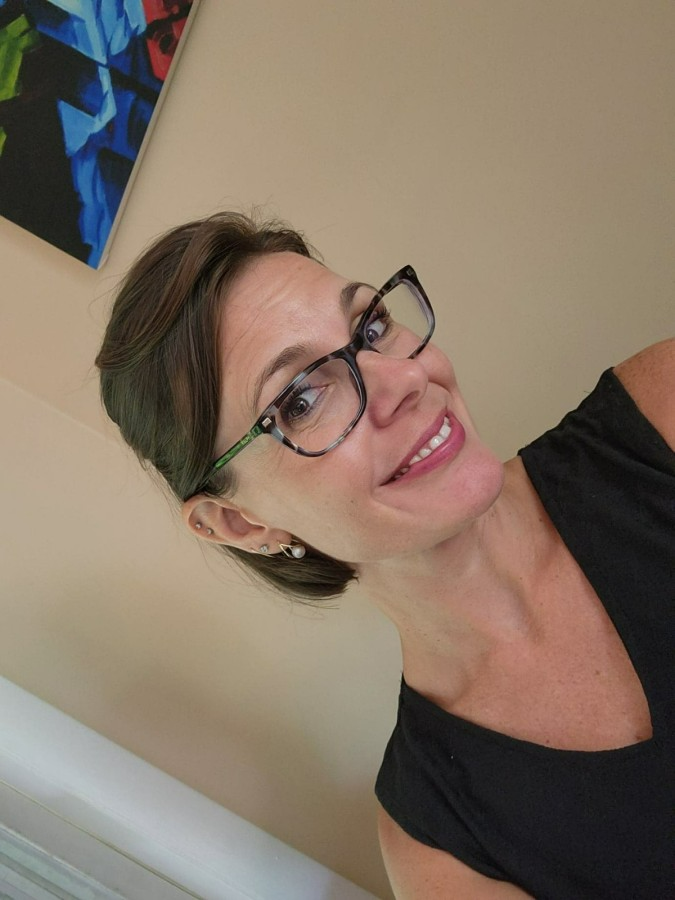
Carabiner VP Sarah Broberg
Remnants of Hurricane Helene left a grim mark on parts of the Southeast, reaching Western North Carolina on September 26 and delivering historic rainfall, flooding, strong winds, mudslides, and landslides. Carabiner VP Sarah Broberg rode out the storm with her family at their home on Echo Lake in Fairview, North Carolina, just outside of Asheville.
We talked with Sarah about her experience of being in the path of such a storm, the impact on her community, and some of the lessons learned.
Sarah, we’re so glad you and your family are okay! What was it like finding out the hurricane was bearing down on where you live?
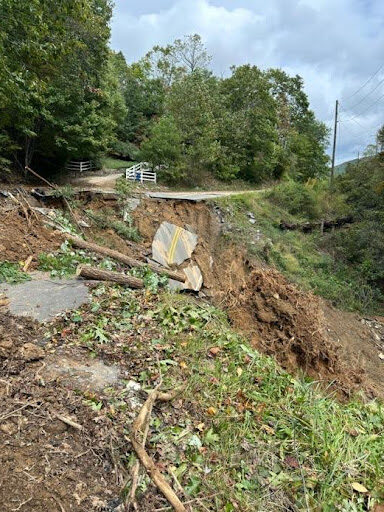
Destruction near the Echo Lake neighborhood
SB: We knew we were in for rough weather, but the forecast began changing dramatically the day before the storm hit. There was increasing concern in the area about what was coming our way, particularly because we had been receiving heavy rainfall for days before the storm even arrived, so the ground was already saturated.
My family stayed up the entire night of September 26, unable to sleep due to anxiety over the howling winds and uncertainty about what we were bracing for. The emergency alerts on our phones escalated throughout the night into something you just don’t hear in the mountains — “flash flood emergency.”
How did your family prepare for something like that with such little time?
SB: We did things you’d expect, such as filling vehicle gas tanks, making sure we had non-perishable food and drinking water, and stocking up on candles. We also filled bathtubs for non-potable water, which we almost didn’t do since we live on a lake. However, the lake is still filled with dirt and debris, so I’m glad we did.
My partner, who builds custom cabinetry, had recently moved his workshop to a new location, but still had inventory in his old workshop that was especially vulnerable to flooding. The night before Helene hit, we frantically moved his inventory in order to spare it should the worst happen. We rented a U-Haul truck and were moving heavy cabinets and machinery as the storm approached. This turned out to be a very wise decision. His old workshop was destroyed by 8 feet of flood water.
What tips can you share as someone who has been through a natural disaster?
SB: In addition to the above, I’d recommend having unscented candles on hand (don’t forget the matches and lighters)! Many of us use candles to scent a room—not as the only light source for an extended amount of time. While lovely in small doses, my house smelled like a crazy candle factory for a few days!
On a more serious note, I strongly recommend having an emergency radio in the event of a power and cell service/tower failure. We had no means of communication with the outside world for days after the storm. Local radio broadcasts were our only source of information. I want to give a shout-out to Blue Ridge Public Radio for being a lifeline and keeping the community informed throughout the storm and its aftermath.
We did not have an emergency radio on hand during the storm, so that was the first thing I purchased once connectivity was restored. This is the one we chose, with 6-way charging options including an ac adapter, battery, solar, and hand crank. If you’re able, I also suggest purchasing a dual-fuel generator (gas and propane) so you’re not reliant on just one fuel source.
Despite everything, did you feel fortunate in any way?
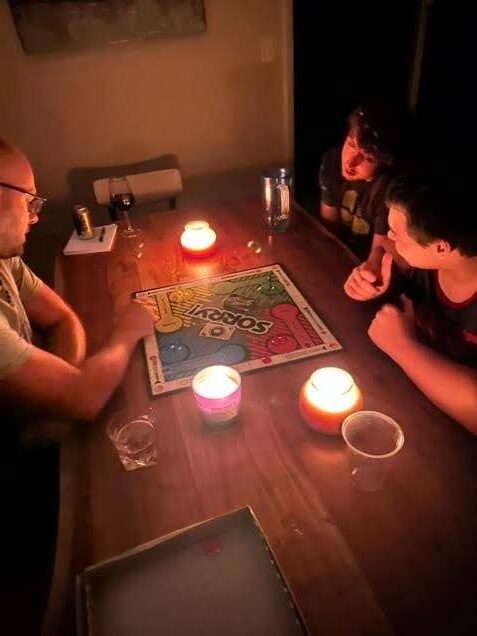
A family board game played by candlelight post-Helene
SB: My goodness, yes! I’m very fortunate my family and I are okay—that’s not the case for so many in our area. Despite the circumstances, we enjoyed some unique quality time with our 15-year-old and 17-year-old, especially since schools were closed for a month. We were also thankful that we had at least some time to prepare, which often isn’t the norm with natural disasters. Although what occurred with Helene in WNC was much bigger than anyone imagined.
I am uplifted by the way our small community came together—helping one another, sharing supplies, and checking in on older neighbors. We organized daily meetings to assess needs and distribute resources, and some neighborhoods even organized group activities like potluck dinners, pickleball, and live music to keep up morale. We’d never really used our home’s outdoor firepit before, but it provided a welcome, comforting light in the darkness.
I’m also intensely grateful for the help of aid organizations, such as federal and local agencies and NGOs, that were present immediately after Helene, organizing search and rescue and providing much-needed supplies and mental-health support.
Even now, in the most remote and heavily affected areas of WNC, there are many who are still very dependent on their assistance.
How is your community doing now?
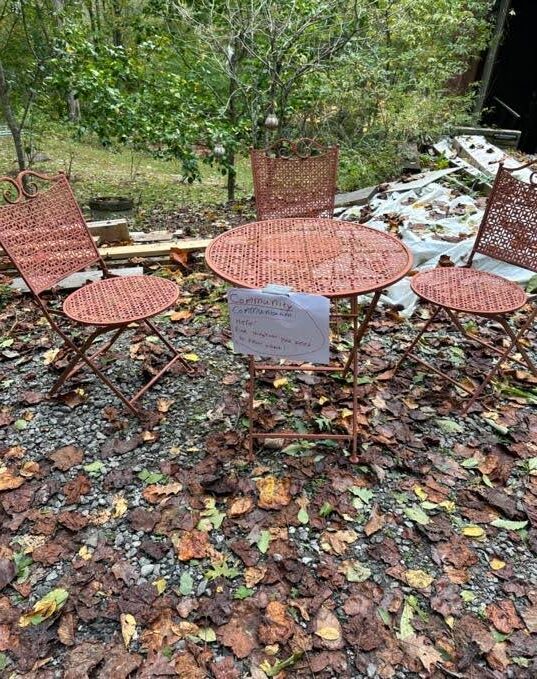
The neighborhood’s only location with a weak WiFi signal
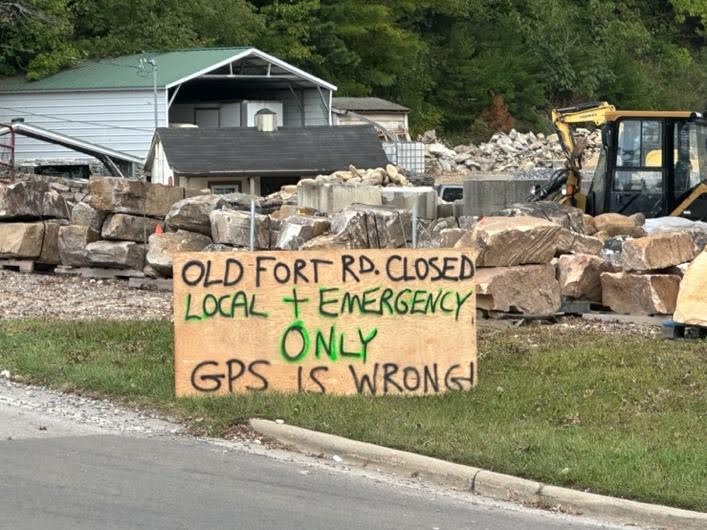
SB: Like most of our region, the impact of Helene on our area was monumental—downed trees, buildings destroyed by flood damage, water and power lines out, and roads that are impassable or gone. But we once again have power, Internet, and clean running water, and there are other signs of resilience everywhere, including rebuilding and reopening roads and the restoration of potable water to the city, nearly two months post-Helene.
Slowly, things are getting back to normal, but we still have a long way to go. It’s clear that the areas of Asheville and Western North Carolina are beloved by so many who have come from near and far to support the disaster relief efforts. I can’t speak on behalf of everyone, but on behalf of my neighborhood and immediate community, thank you.